
Ask a Hong Kong SME owner about AI and you will often hear the same story. A few staff use ChatGPT on their own, someone tried an AI tool for a month, and nothing really changed. The technology works. What is missing is a plan.
AI transformation for SMEs does not have to mean a large budget or a new platform. It means choosing a few real problems, giving people the skills and rules to use AI safely, and measuring whether it helps. Here is a 90-day plan we use as a starting point.
Step 1: Pick a problem, not a tool (weeks 1–2)
Start by listing the tasks that take your team the most time each week. Not "we should use AI for marketing", but concrete jobs:
- Sending appointment or payment reminders
- Turning meeting notes into action items
- Building prospect lists
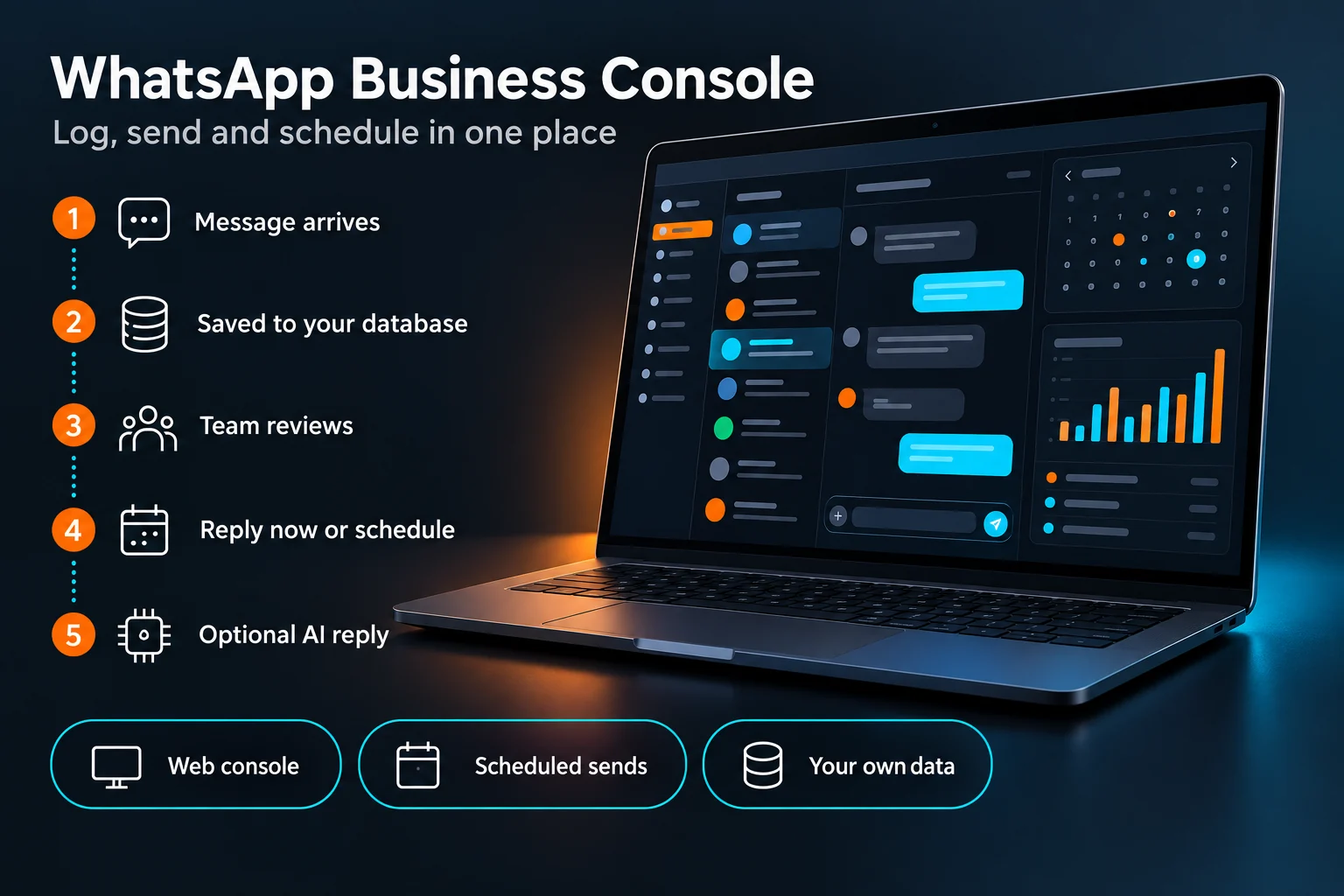
- Answering the same customer questions on WhatsApp
- Writing and designing social posts
For each one, write down roughly how long it takes today and how often it happens. This is your baseline. Without it you will never know whether AI helped.
Good first candidates are frequent, follow clear rules, and do little harm if an early version gets something wrong. Leave anything involving money, legal commitments or sensitive personal data for later.
Step 2: Build AI literacy before buying tools (weeks 2–4)
The fastest way to waste money on AI is to roll out a tool before people understand it. Two groups need different things:
- Owners and managers need to know what generative AI does well, where it makes things up, what it costs, and what the data risks are. That is what lets them judge proposals and set priorities.
- Staff need hands-on practice on their own tasks, not generic demos. When people see AI remove the dull part of their job, the fear of being replaced usually gives way to curiosity.
Short, practical sessions beat a single long lecture. The goal is a shared vocabulary, so that "let's try AI on this" means the same thing to everyone.
Step 3: Write a one-page AI usage policy (week 4)
Staff are already using AI tools, with or without permission. A short policy makes that safe. It should answer:
- Which tools are approved for work use.
- What must never be pasted in: customer personal data, contracts, financial records, anything confidential.
- Who checks AI output before it reaches a customer.
- Who to ask when someone is unsure.
The Privacy Commissioner for Personal Data (PCPD) has published a checklist on employees' use of generative AI, which is a useful template for Hong Kong businesses. One page that people actually read is worth more than a long document nobody opens.
Step 4: Run one measured pilot (weeks 5–10)
Pick one task from Step 1 and give it one owner. Run it for four to six weeks and track three things:
- Time per task, compared with your baseline.
- Error rate: how often the output needed fixing.
- Adoption: whether the team actually uses it without being reminded.
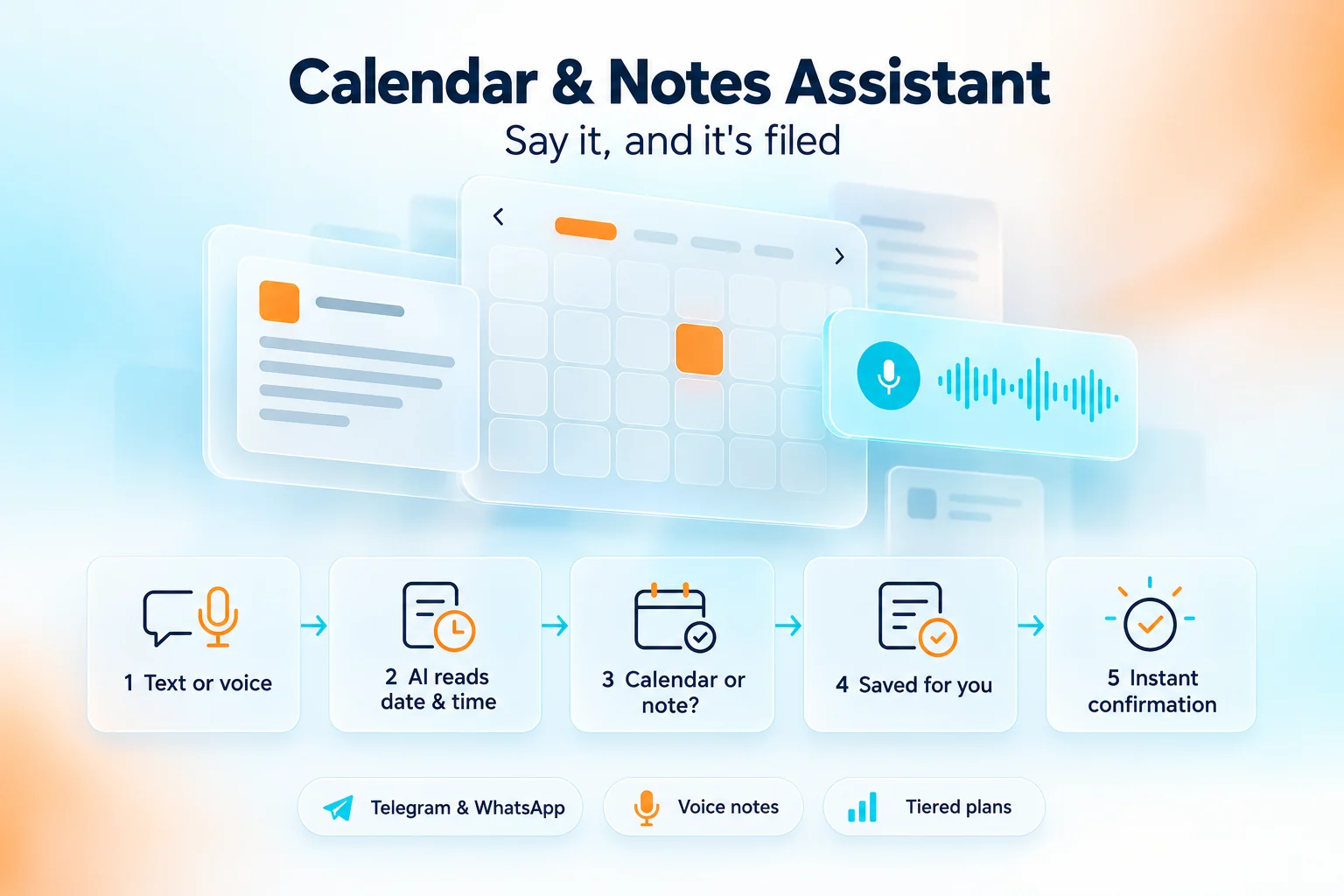
Keep the scope narrow. A focused assistant that does one job well is easier to trust, cheaper to run and quicker to improve. For example, our Calendar & Notes Assistant only files calendar events and notes from plain-language messages. We estimate it cuts logging a busy day's appointments from about 25 minutes to 5. That is an estimate for a typical day, not a measured result, and your pilot should produce your own numbers.
Step 5: Scale, fix or stop (weeks 11–13)
At the end of the pilot, compare the numbers with your baseline and decide:
- Scale if it saves real time and the team uses it. Apply the same approach to the next task on your list.
- Fix if the idea works but the output needs too much correcting. Usually the process needs clearer rules or better source material.
- Stop if it doesn't help. A stopped pilot that cost six weeks is a cheap lesson, and far better than a platform contract you can't use.
Common mistakes to avoid
- Buying a platform first and then looking for problems it can solve.
- Automating a broken process. AI makes a messy process faster, not better.
- No owner. If AI is everyone's job, it is nobody's job.
- Measuring nothing, then arguing about whether it worked.
- Ignoring the team. Adoption is a people problem before it is a technology problem.
Getting help
Many SMEs can run this plan on their own. Others want someone to run the literacy sessions, help choose the first pilot, or build a custom tool when an off-the-shelf one doesn't fit. That is the work our AI transformation service covers. When a pilot proves a task is worth automating fully, it often becomes an AI agent that runs every day.