
Executives are being asked to make AI decisions every week: approve a pilot, sign a vendor contract, answer staff questions about ChatGPT, respond to a board asking for "an AI strategy". Few of them have had time to learn how the technology actually behaves.
AI literacy for executives does not mean learning to code or train models. It means knowing enough to ask the right questions, spot weak proposals and lead people through the change. This guide covers what that looks like in practice.
What AI literacy means for a leader
For a leadership team, AI literacy comes down to four abilities:
- Understanding what generative AI does well and badly, without the hype or the fear.
- Recognising good use cases in your own business.
- Managing the risks: data, accuracy, regulation and reputation.
- Leading people through the change, because adoption is where most AI projects succeed or fail.
None of this needs a technical background. It needs a clear mental model and some hands-on experience.
Five things every executive should understand
1. It predicts text; it doesn't look up the truth
A large language model writes the most likely next words based on patterns in its training. It is very good at language, and it can state wrong facts with complete confidence. That is why serious AI systems answer from approved sources and include a check before anything important goes out.
2. What you paste in may leave your control
Material typed into a public AI tool may be stored or processed outside your company. A clear usage policy covering which tools, which data and who checks the output protects the business more than a blanket ban, which people tend to work around.
3. Cost depends on how it is used, not just the subscription
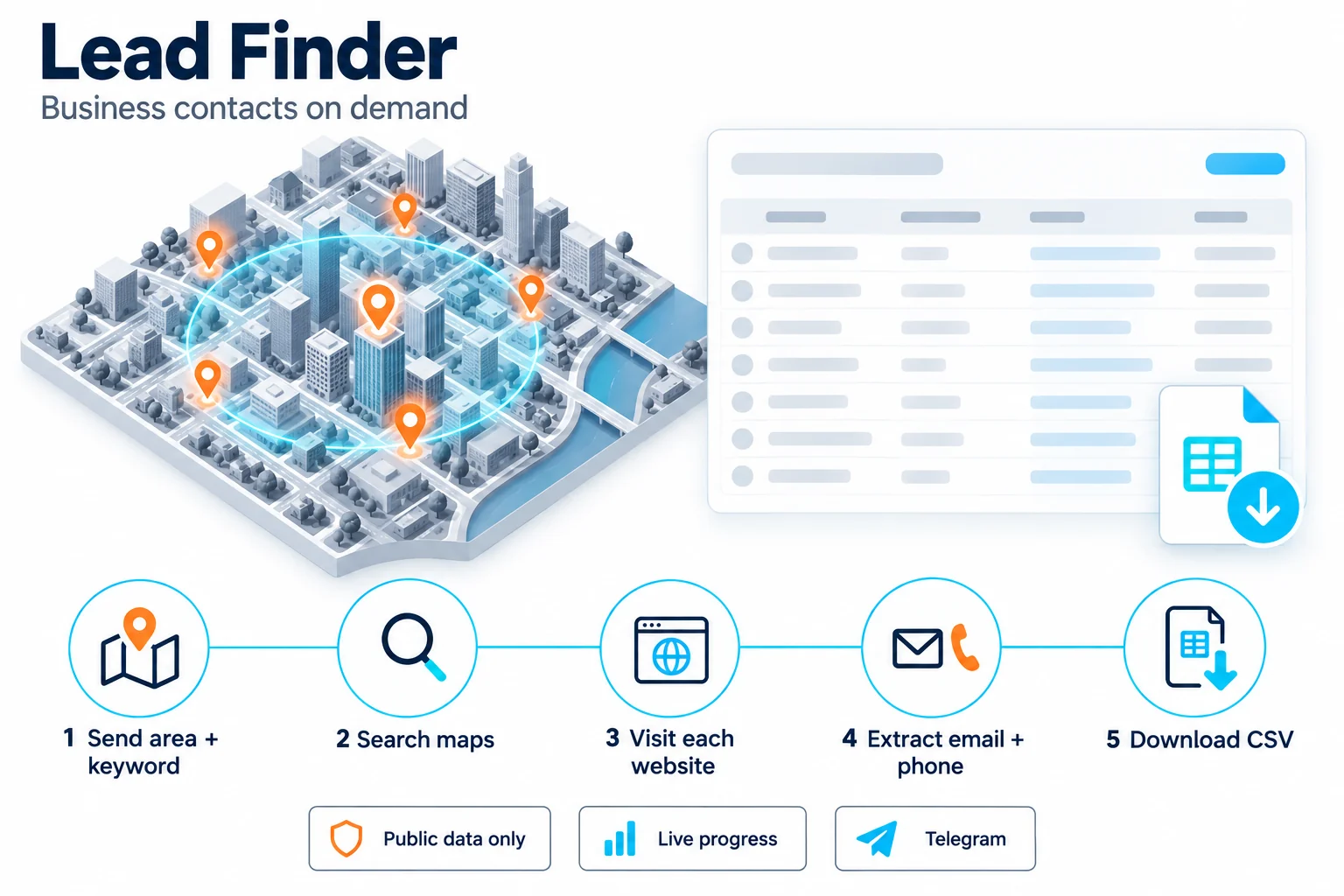
AI providers charge by the amount of text processed, counted in "tokens". Pasting whole documents into a chat again and again is expensive. A designed workflow sends each step only what it needs. For building a list of 100 business leads, for example, we estimate about 200,000 tokens through ad-hoc chatting versus about 40,000 through our Lead Finder workflow. Those are estimates for one typical task, not measured results, but the gap is typical.
4. Nothing is 100% reliable, so design for review
Even well-built AI workflows fail some of the time. The question for a leader is not "is it perfect?" but "how do we find out when it's wrong, and what happens then?" Good systems have logs, alerts, human checkpoints and a way to hand over to a person.
5. Adoption is a people problem
Staff who fear being replaced resist new tools, and staff who trust AI too much stop checking its work. Both are leadership problems. Clear communication about what AI will and won't change, plus training on real tasks, matters more than the choice of tool.
Questions to ask before approving an AI project
Before signing off a pilot or a vendor proposal, ask:
- What problem does this solve, and how long does it take today? No baseline, no way to measure success.
- Where does our data go, and who can see it?
- What happens when it gets something wrong? Who notices, and how quickly?
- Who owns it after launch?
- How will we measure success in 60 to 90 days?
- What is the exit plan if it doesn't work?
A good partner, whether an internal team or an external one, should be able to answer every one of these clearly.
How to build AI literacy across the leadership team
A single lecture rarely changes much. What works is a combination of:
- Hands-on sessions where executives try AI on their own work: a board paper, a customer email, a market summary.
- A shared vocabulary, so that "agent", "hallucination" and "workflow" mean the same thing in every meeting.
- One small pilot per leader, so each has seen an AI project from idea to result.
- A one-page policy the leadership team has written together.
- A regular review of what is working, what isn't and what to try next.
This is the thinking behind our AI literacy training for executives: interactive online AI classes, an AI strategy workshop, AI process consulting and tailor-made AI tools. Each step builds on the one before. If your leadership team is ready to move from experiments to a plan, our AI transformation services are a good place to start.